Digital Marketing for Small Business: 8 Practical Ways to Reach More Customers
Looking to grow your small business? Discover 8 practical digital marketing strategies that can strengthen your local brand, attract more customers, and increase your online visibility.
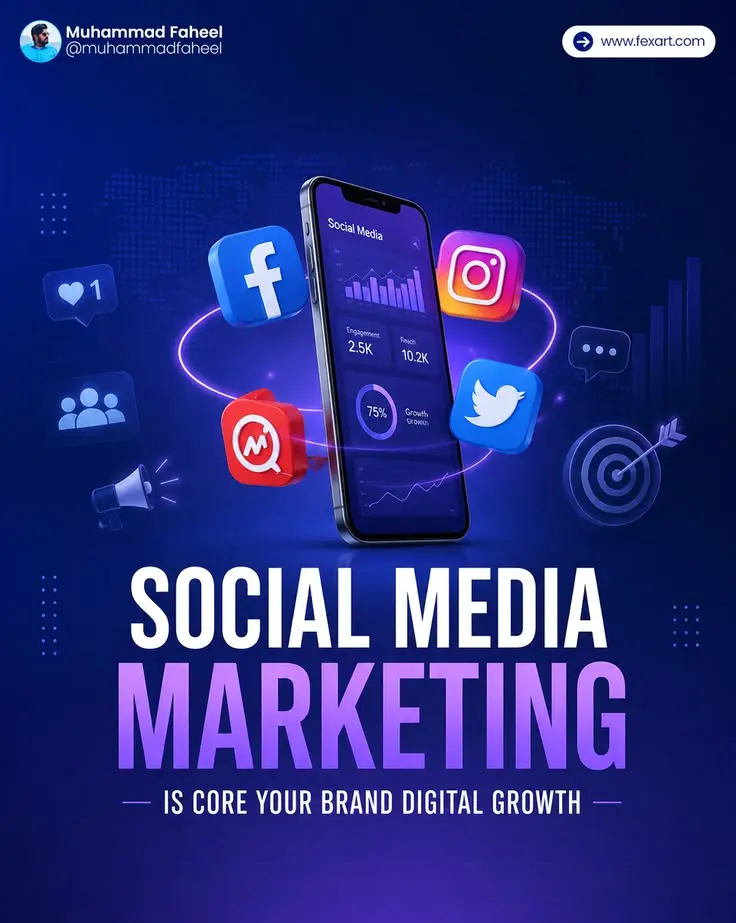
Many small business owners believe that good products and honest service are enough to attract customers. That may have been true years ago, but today most people begin their search online. Before visiting a shop or contacting a business, they often check Google, read reviews, visit a website, or browse social media pages.
A small clothing store owner once shared an interesting experience. Business was slow even though customers who visited the shop were happy with the products. One day, a customer asked, “Do you have a website? I searched for your shop but couldn’t find it.” That simple question made the owner realise something important. People cannot become customers if they cannot find your business.
This is where digital marketing for small business becomes valuable. It helps businesses become visible online, build trust, and reach the right audience without spending a huge amount of money. The good news is that you do not need to do everything at once. Small improvements made consistently can create lasting results.
Why Digital Marketing Matters
People now use the internet for almost every buying decision. Whether they need a bakery, a beauty salon, a digital marketing service, or a furniture shop, they usually search online first.
A strong online presence helps your business appear when customers are looking for products or services like yours. It also gives them confidence because they can learn about your business before making contact.
Here are eight practical ways to improve your online presence.
1. Build a Simple and Professional Website
Your website is your online business space. It should clearly explain who you are, what you offer, and how customers can contact you.
Include the following information.
* About your business
* Products or services
* Contact details
* Customer reviews
* Frequently asked questions
* Clear call to action
Keep your website clean, easy to navigate, and mobile friendly. A fast website creates a better experience for visitors and encourages them to stay longer.
2.Create Your Google Business Profile
Google Business Profile is one of the easiest ways to help local customers find your business.
Complete your profile with accurate information.
* Business name
* Address
* Phone number
* Working hours
* Website
* Business category
* High quality photos
When your profile is complete, customers can find your business through Google Search and Google Maps. They can also read reviews, view your location, and contact you directly.
3. Stay Active on Social Media
Many businesses create social media accounts but stop posting after a few weeks. Regular activity helps people remember your brand.
Choose the platforms where your audience spends time. Facebook and Instagram work well for many local businesses, while LinkedIn is suitable for professional services.
Share content that people enjoy reading.
* Product updates
* Behind the scenes photos
* Customer stories
* Helpful tips
* Seasonal offers
* Business achievements
Reply to comments and messages whenever possible. Simple conversations help build stronger relationships with customers.
4.Publish Helpful Content
People appreciate businesses that provide useful information instead of only trying to sell.
Writing blog posts is one of the best ways to answer customer questions and improve your website.
You can write about topics such as:
* Buying guides
* Product comparisons
* Common questions
* Maintenance tips
* Industry news
* Practical advice
Helpful content keeps visitors on your website and increases the chances of them returning in the future.
5.Improve Your Local SEO
Local SEO helps search engines understand where your business is located and which customers you want to reach.
Mention your city or service area naturally in your website content, page titles, and blog posts.
For example, if you run a bakery in Malappuram, mentioning “bakery in Malappuram” where it fits naturally helps search engines connect your business with local searches.
Avoid repeating the same keyword too many times. Write naturally for people first.
6. Encourage Customer Reviews
Customer reviews often influence buying decisions.
After completing a sale or service, politely ask customers to leave a review on your Google Business Profile.
Positive reviews help your business by building trust, improving local search visibility, and encouraging new enquiries.
Do not ignore negative reviews. Respond politely, understand the customer’s concern, and offer a solution whenever possible. A professional response often creates a positive impression.
7.Measure Your Progress
Digital marketing becomes more effective when you understand what is working.
Check your performance regularly.
Look at:
* Website visitors
* Popular pages
* Google Search traffic
* Social media engagement
* Customer enquiries
* Sales or conversions
These insights help you make better decisions and improve your marketing over time.
8.Keep Learning
Digital marketing continues to change as search engines and social media platforms introduce new features.
You do not need to learn everything in one week. Reading articles, watching tutorials, attending webinars, or taking online courses can help you stay updated.
Businesses that continue learning are often better prepared for future changes.
Frequently Asked Questions
Why is digital marketing important for small businesses?
Digital marketing helps small businesses reach more customers, increase brand awareness, build trust, and generate enquiries through online channels.
Is Google Business Profile free?
Yes. It is free to create and helps your business appear in Google Search and Google Maps.
How often should I post on social media?
Posting two or three times each week is a good starting point. Focus on sharing useful and relevant content instead of posting every day.
Can social media replace a website?
No. Social media helps people discover your business, while a website provides complete information and improves your visibility in search engines.
Conclusion
Growing a small business takes time, and digital marketing is no different. You may not see results immediately, but consistent effort brings steady progress.
Start with a professional website. Create your Google Business Profile. Share useful content, stay active on social media, encourage customer reviews, and improve your local SEO step by step.
Digital marketing for small business is not about following every trend. It is about helping the right people find your business, trust your brand, and choose your services with confidence. When you stay consistent, those small efforts can lead to long term growth.